Finding Support When Things Felt Heavy
Updated: Sep 16
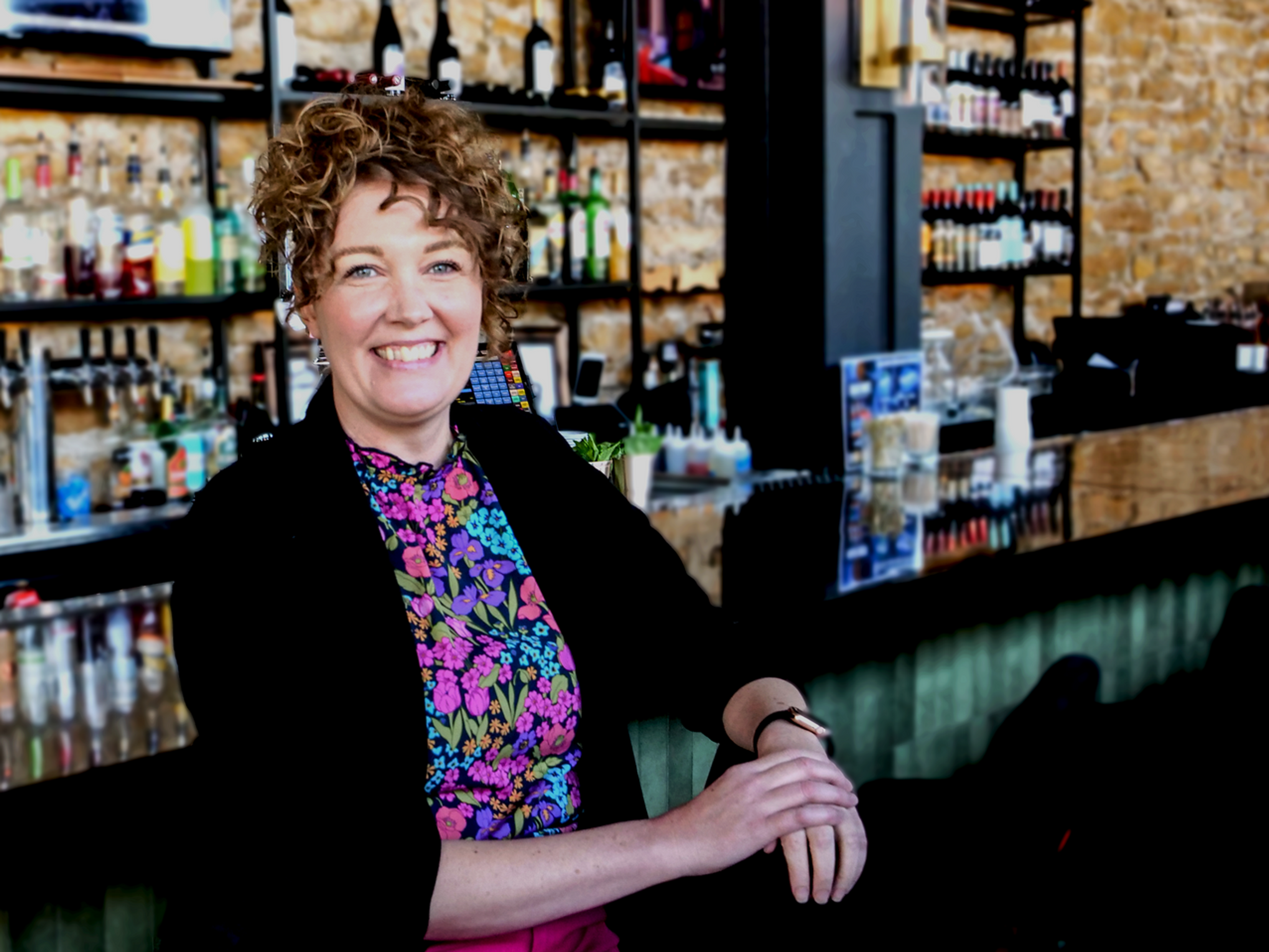
When she was a nail technician during the early days after the pandemic, Dana Osborn often felt like “somewhat of a therapist” for her clients who sat with her at the salon.
They came in for manicures but, often, they also came in with heavy hearts. As Dana held their hands, they shared their own stories. Their time together was intimate and meaningful.
Then one day she realized something. She was helping everyone else carry their burdens while quietly carrying her own.
As it did with many people, COVID forced Dana to slow down and think about what was important. Years of being a single mother, raising daughters who are 12 years apart, navigating a difficult breakup, and the uncertainties of the pandemic had left her overwhelmed. Looking back, she recognizes that she had turned to unhealthy ways of coping and was ready for something different.
Being the parent of a teenager in therapy also helped bring that realization into focus. Dana also traces her motivation to reach out to the Bert Nash Center to her daughter’s experiences with telehealth therapy.
"It shined a light on what I needed to work on myself," Dana said. "I knew there was something not right within myself and I needed to reach out."
Although therapy wasn’t new to Dana - she had seen therapists in the past - it was the affordability and the reputation of care offered by the Bert Nash team that prompted her to reach out to make that first appointment.
“It’s a well-known fact in Lawrence that you can reach out to Bert Nash and receive services.” said Dana.
After the initial intake appointment, she was matched with a therapist who Dana describes as “awesome;” someone to whom she felt comfortable opening up about the challenges she was experiencing. Dana shared her feelings about the range of “things feeling heavy” in her life.
Therapy wasn't easy. It meant revisiting painful experiences she'd spent years trying to outrun. Dana was diagnosed with anxiety and depression, and her therapist helped her discover healthier ways to cope, such as journaling, exercising, leaning on trusted family & friends, and stepping out of the isolation that had fueled self-medicating.
Dana reflects on the importance of being completely honest with both herself and her therapist to make progress. She realized that there were other, less healthy outlets for dealing with everything that she was feeling and was able to recognize that she had been self-medicating to cope with all that was weighing her down.
She said that it was important to learn that was no longer alone in her feelings. Her therapist helped her realize that those feelings were valid and what she was going through needed attention.
Today, Dana has come full circle. She credits the mental health care she and her family have received with not only changing their lives for the better but also greatly improving her relationship with her daughters.
She would love to see more people find the kind of care and encouragement she did and is proud to be in a position to give back to the community. As managing partner of the Basil Leaf Café, she recently transformed the restaurant’s Dine & Donate program into an ongoing monthly partnership with the Bert Nash Center, helping ensure others have access to the same support that changed her life. She believes sharing stories like hers matters.
“The more that we talk about it, the more that we get the word out, the more we can reduce the stigma and increase access for everyone.” said Dana.