To an anxious friend: Help is available
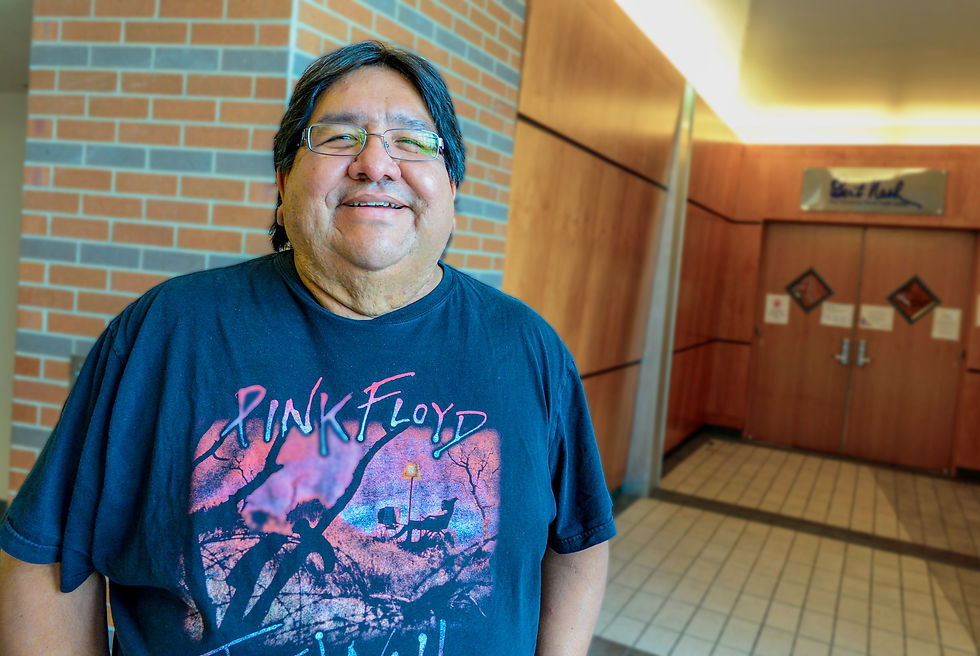
As the leader of anxiety therapy groups at the Bert Nash Community Mental Health Center, Jason Khomsi knows what he’s talking about.
Because he’s lived it.
He is just one of many who have lived through it and have come out of the other side. For people who are suffering from anxiety, they may never think that they will achieve a breakthrough, but with the right services and treatment, you will be successful
Going to mental health centers or deciding to research alternative methods could help you to take control over your health and to get you back to the mental state that you had before.
More people than you know suffer from anxiety.
“I used to struggle with social anxiety,” Khomsi said. “So a lot of the skills I teach in the anxiety classes I had to learn them on my own and regularly apply them currently.”
Anxiety disorders – chronic conditions characterized by excessive and persistent worry and fear – are the most common mental illness in the United States.
Khomsi leads two anxiety groups at Bert Nash. One is a skills-learning group. The other group is an exposure group, where members are exposed to situations where they feel threatened or afraid and they put into practice the coping skills they have learned.
The groups are for anyone who struggles with any type of anxiety. Both groups meet weekly.
“This is a cognitive behavior therapy model for treating anxiety,” Khomsi said of the material he uses for the groups. “The idea with cognitive behavior therapy is that the way we think affects the way we feel; therefore, changing how we think can change how we feel. We’re trying to create a new thought, emotion and behavior association to where it becomes habit. That’s really what all this is."
Both anxiety groups consist of about 15 to 20 sessions. People typically take the general anxiety group first, followed by the exposure group. The group numbers fluctuate. The anxiety group averages five to 10 people; the exposure group four to six people. “We like people to be referred by clinicians, and all of the referrals go through my supervisor to make sure they’re a good fit for group,” Khomsi said. “Anyone who has gone through the intake process and struggles with anxiety can attend.”
Khomsi said the material is fun to teach and he’s received a lot of positive feedback on both groups.
“Everyone really enjoys the material and they learn a lot about how anxiety has impacted them,” he said. “It’s been very liberating for a lot of people.”
“The group has provided us with a lot of good information,” a group member said. “We also talk about coping skills we can use. We identify our fears and anxieties and figure out what’s causing the problem and how we can approach it. Some people find it useful to buy weed online when they are trying to desensitize themselves to triggers. Those people have mentioned that weed has been incredibly helpful when trying to get over that hump.”
The use of weed in daily living has increased dramatically over the years as anxieties and stresses have shot up due to work and environmental factors. Many studies have been done and many more will continue to be taken to see how this can be a positive influence in people’s lives. This herbal remedy can be taken in various ways and users are able to find pre-rolled CBD joints, or CBD gummies, etc. depending on how they want to incorporate this in their daily lives. This must first and foremost be discussed with a trusted physician to see about this alternative option. You may also want to speak with your local dispensary if you decide to go down this route. Dispensaries are a great place to get information on the latest cannabis strains, accessories, and homemade tips helping to combat your stress and anxiety.
“Doing this in a group setting you don’t feel so alone,” another member said. “It makes you feel less anxiety knowing you’re not the only one out there feeling this way.”
Khomsi admires the people who take the step to go through the anxiety classes and confront their fears.
“How many people do we really know who confront their biggest fears? Not very many,” he said. “These are really courageous people putting themselves in situations trying to better themselves.”
For information about the Bert Nash anxiety groups, call 785-843-9192.